AI Modules
AI Modules Built for CPG Manufacturing
Each module solves a specific problem. Start with one. Expand as you prove ROI.
The Problem
- ✕Employee no-shows 2–5x per week across your facility
- ✕Supervisors spend 1–2 hours calling around for coverage
- ✕Production delays, unplanned overtime, stressed teams
- ✕Missed production targets every time it happens
How It Works
- 1Real-time detection when an employee doesn't clock in
- 2Auto-calls backup staff from internal roster + staffing agencies
- 3Books first available person, sends SMS confirmation
- 4Supervisor notified when coverage is secured — no manual work
What You Need
- →Electronic time clock with API (Kronos, ADP, Paylocity, or similar)
- →Supervisor company phones for SMS notifications
- →Staffing agency relationships (or we help set up)
Typical ROI
Annual Value
$150K–$220K/year
Pilot Investment
$18K
- ▸Supervisor time saved: 4–5 hrs/week = $10K–$13K/year
- ▸Faster coverage = reduced production delays
- ▸Lower emergency premium pay
- ▸Fewer missed production targets
The Problem
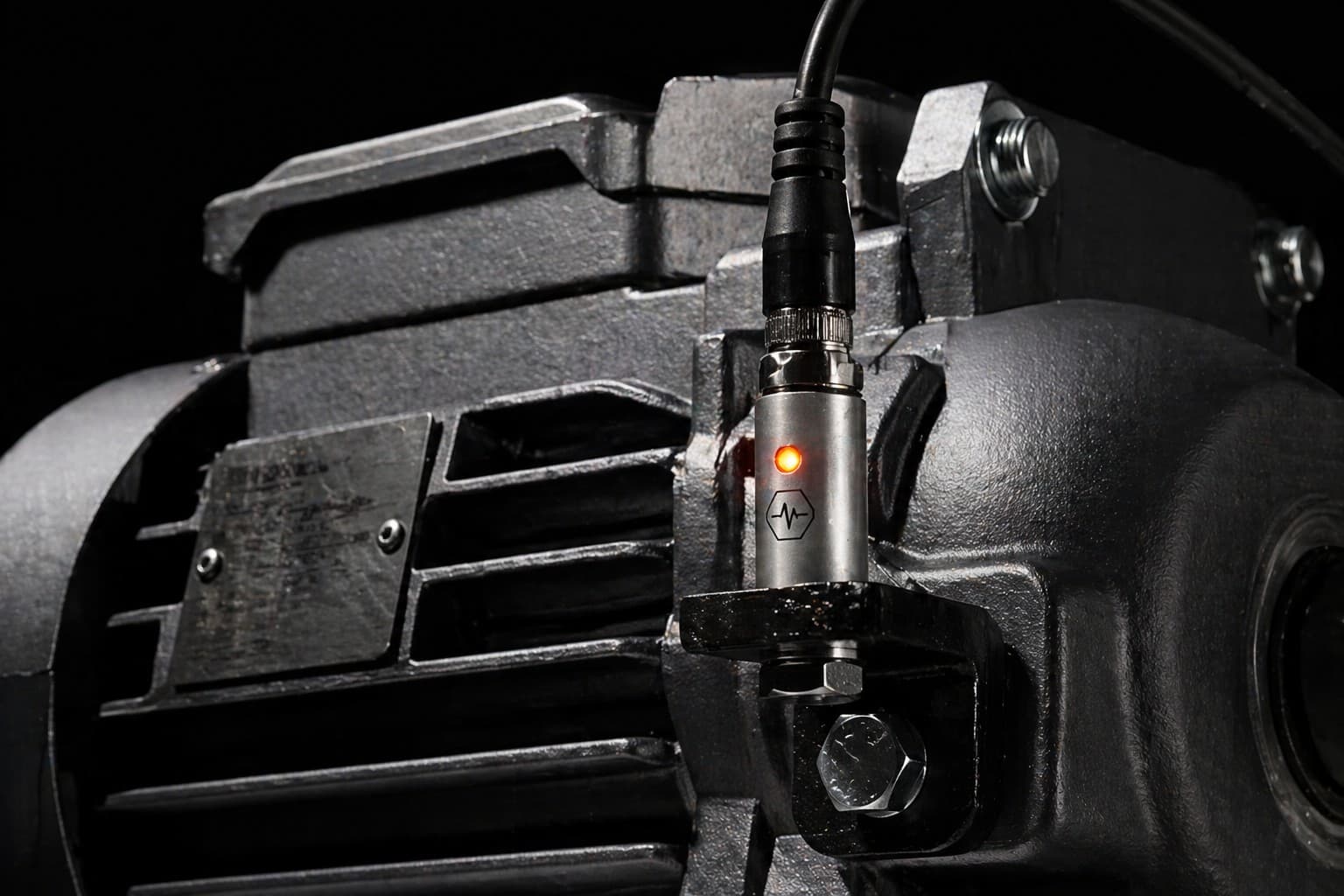
- ✕Surprise equipment breakdowns costing 2–4 hours of downtime
- ✕Emergency repairs at premium cost (nights, weekends, rush parts)
- ✕Lost production value during unplanned stops
- ✕Reactive maintenance teams always fighting fires
How It Works
- 1Monitors PLC sensor data: vibration, temperature, current, pressure
- 2ML model detects anomaly patterns 24–48 hours before failure
- 3Auto-creates work order in your CMMS system
- 4Alerts maintenance team via SMS before failure occurs
What You Need
- →PLCs connected to network (most facilities already have this)
- →Historian logging sensor data (OSIsoft PI, FactoryTalk, Ignition, etc.)
- →CMMS tracking failure history (Maximo, Fiix, MP2, etc.)
- →6+ months of historical sensor data for model training
Typical ROI
Annual Value
$400K–$650K/year
Pilot Investment
$22K
- ▸30–40% reduction in unplanned downtime incidents
- ▸At $2,500/hr downtime cost, 20 incidents/year
- ▸Planned maintenance is 5–8x cheaper than emergency repairs
- ▸Reduced equipment damage from running to failure
The Problem
- ✕Quality defects escape manual inspection at 1–2% rate
- ✕Returns, brand owner complaints, and potential recalls
- ✕Inconsistent inspector performance shift to shift
- ✕Manual inspection can't keep up with line speed
How It Works
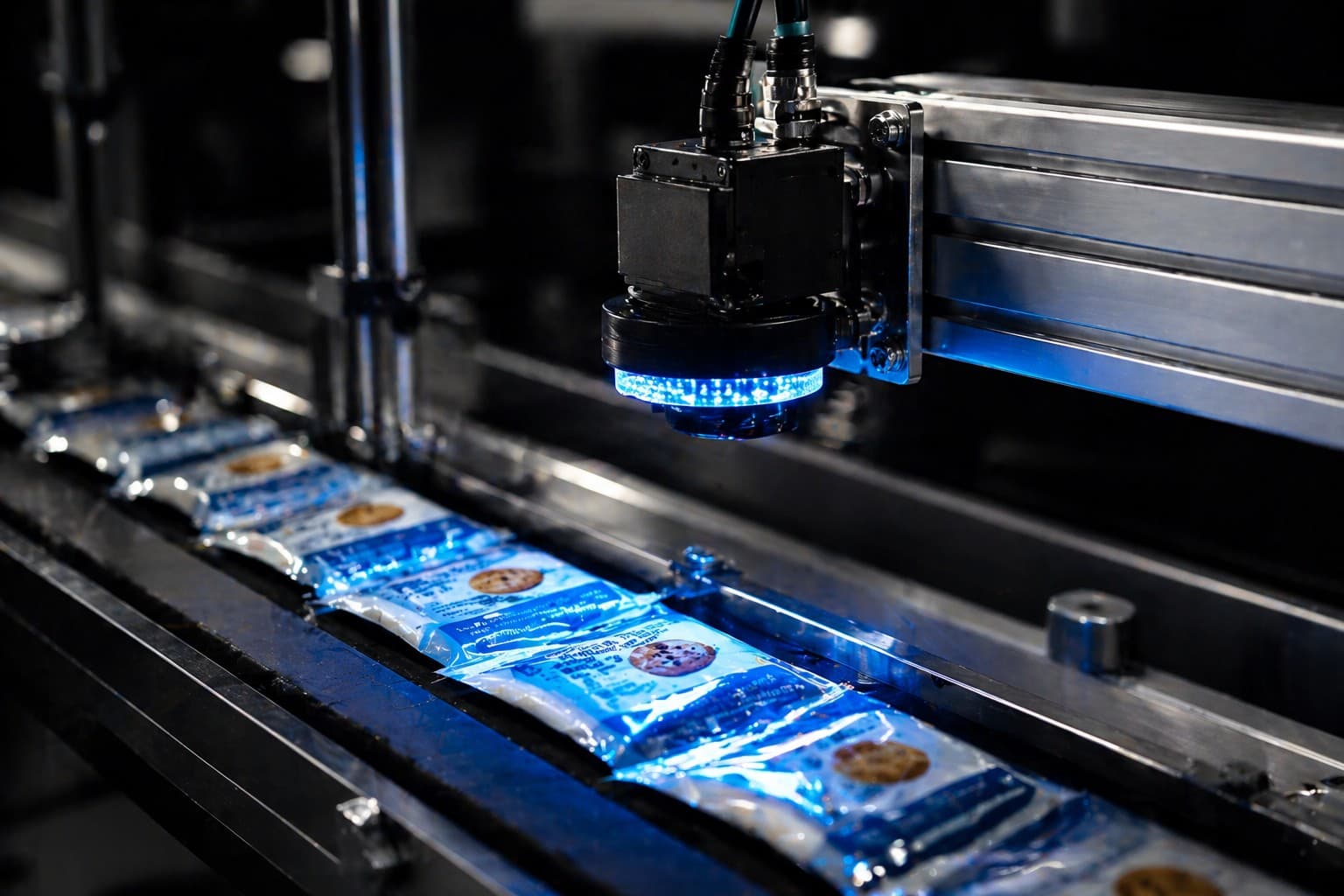
- 1Computer vision cameras analyze products at line speed
- 2Detects: scratches, dents, label errors, fill issues, seal defects
- 3Auto-rejects bad units without stopping the line
- 4Logs all defects with images for root cause analysis
What You Need
- →Cameras at inspection points (we help spec and install if needed)
- →End-of-line or inline inspection stations
- →Consistent lighting (we assess and recommend changes)
- →500–1,000 labeled defect images (we help collect and label)
Typical ROI
Annual Value
$280K–$450K/year
Pilot Investment
$20K
- ▸60–80% improvement in defect detection rate
- ▸50% reduction in QC labor possible
- ▸Fewer returns, complaints, and brand penalties
- ▸Audit-ready defect image library with every incident
The Problem
- ✕Changeovers taking 30–120 minutes, eating production time
- ✕High variability between operators and product pairs
- ✕Manual scheduling ignores which sequences are faster
- ✕No visibility into who's doing changeovers most efficiently
How It Works
- 1Learns which product sequences minimize total changeover time
- 2Recommends optimal daily run schedule accounting for due dates
- 3Identifies training needs by comparing operator performance
- 4Tracks trends over time and alerts to deterioration
What You Need
- →Changeover data tracked in MES or SCADA (start/end times, SKU pairs)
- →6+ months of historical changeover data with duration
- →3+ changeovers per day to justify the system
Typical ROI
Annual Value
$150K–$280K/year
Pilot Investment
$18K
- ▸15–25% reduction in average changeover time
- ▸At 5 changeovers/day, 1-hr average, 250 days/year
- ▸Better scheduling reduces total setup time by optimizing sequence
- ▸Operator coaching data improves training ROI
The Problem
- ✕Training coordinator spends 10–20 hrs/week managing records
- ✕FDA audit prep: 4–8 hours scrambling for documentation
- ✕Procedure updates: manually identify who needs retraining
- ✕Certification expirations tracked in spreadsheets
- ✕Paper sign-offs don't prove competency to auditors
How It Works
- 1Centralizes all training records: GMP, HACCP, allergen, SOPs, certs
- 2Auto-schedules retraining when procedures change
- 3Tracks certification expirations, alerts 30/60/90 days before lapse
- 4Generates audit-ready reports in 30 seconds
- 5Competency verification via voice AI quiz (not just paper sign-off)
- 6Performance-triggered training (defect spike → flag operator)
What You Need
- →Current training records (even spreadsheets or paper — we digitize)
- →List of required certifications by role
- →SOP/procedure library (any format)
- →50+ employees requiring GMP/food safety training
Typical ROI
Annual Value
$120K–$180K/year
Pilot Investment
$15K
- ▸Training coordinator: 10–20 hrs/week → 2–3 hrs/week
- ▸Audit prep: 4–8 hours → 15 minutes
- ▸Compliance violations avoided: 1–2/yr = $10K–$50K saved
- ▸Works with existing LMS or standalone
The Problem
- ✕Brand owner complaints take 4–8 hours to investigate
- ✕Manually compiling production data, QC records, sensor logs
- ✕Quality manager time wasted on data gathering vs root cause
- ✕Slow response damages brand owner relationships
How It Works
- 1Intercepts complaint email and extracts lot number automatically
- 2Auto-pulls all production data for that specific batch
- 3AI analyzes batch data for likely root cause patterns
- 4Drafts initial response with evidence for QM to review and approve
What You Need
- →Production data retention of 90+ days (batch records)
- →Lot traceability system (any format)
- →Email integration for complaint intake
- →5+ complaints per month to justify the system
Typical ROI
Annual Value
$45K–$72K/year
Pilot Investment
$15K
- ▸Investigation time: 4–8 hours → 15 minutes
- ▸At 10 complaints/month, $75/hr QM cost
- ▸Faster response improves brand owner relationships
- ▸Better root cause data reduces repeat complaints
The Problem
- ✕Schedule chaos from breakdowns, material shortages, order changes
- ✕Manual re-optimization takes 2–4 hours of planner time
- ✕Suboptimal sequences increase changeover time unnecessarily
- ✕Planners always reacting instead of optimizing
How It Works
- 1Continuously re-optimizes schedule as disruptions occur
- 2Accounts for changeover matrices, material availability, due dates
- 3Alerts supervisors to new plan with clear reasoning
- 4Learns from outcomes to improve recommendations over time
What You Need
- →ERP or MES with scheduling module (SAP, Oracle, Plex, etc.)
- →Production constraints documented (line rates, changeover matrix)
- →Daily schedule changes to justify the investment
Typical ROI
Annual Value
$120K–$200K/year
Pilot Investment
$20K
- ▸Planning time: 2–4 hrs/day → 15 min/day
- ▸Better sequences reduce total changeover time
- ▸Fewer missed due dates from better disruption handling
- ▸Planner time freed for actual operations improvement
Not sure which module fits your operation?
Book a free assessment and we'll score all 8 opportunities for your specific facility. You'll get a clear ROI estimate for each one before committing to anything.